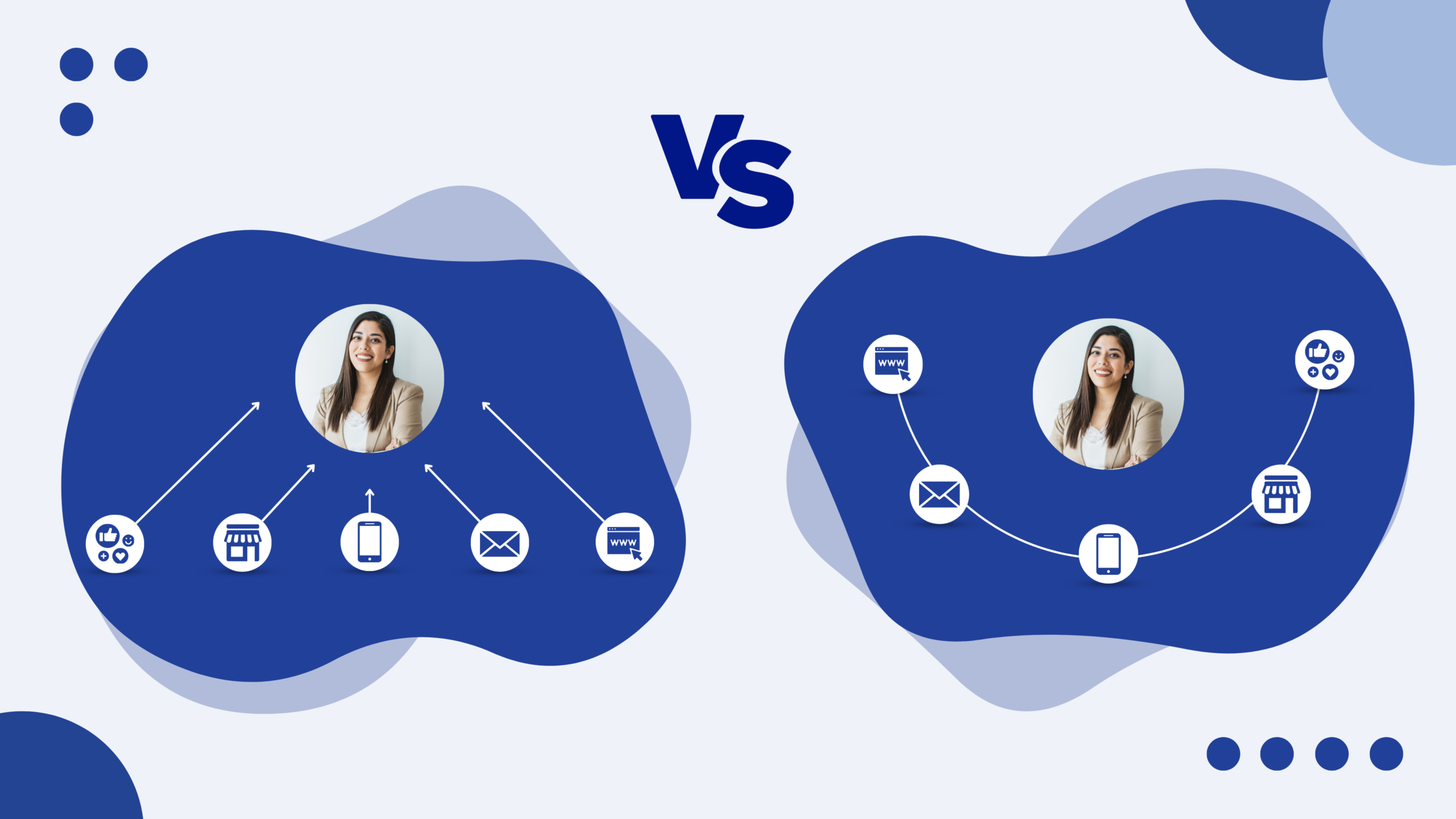
Your product does not change, but the way people discover it does. So why would you use the same description everywhere?
Whether a customer finds your product on Amazon, your own webshop, Google Shopping, or a distributor catalog, they are in a different mindset. They search differently, compare differently, and expect different things from the content they see.
This applies whether you are a brand trying to control how your product shows up at different retailers, a retailer managing thousands of SKUs across your own channels, or a distributor feeding product data to downstream partners.
Yet most organizations still push the same product description across every channel, word for word. And that is a missed opportunity.
What Makes Product Content Channel-Specific?
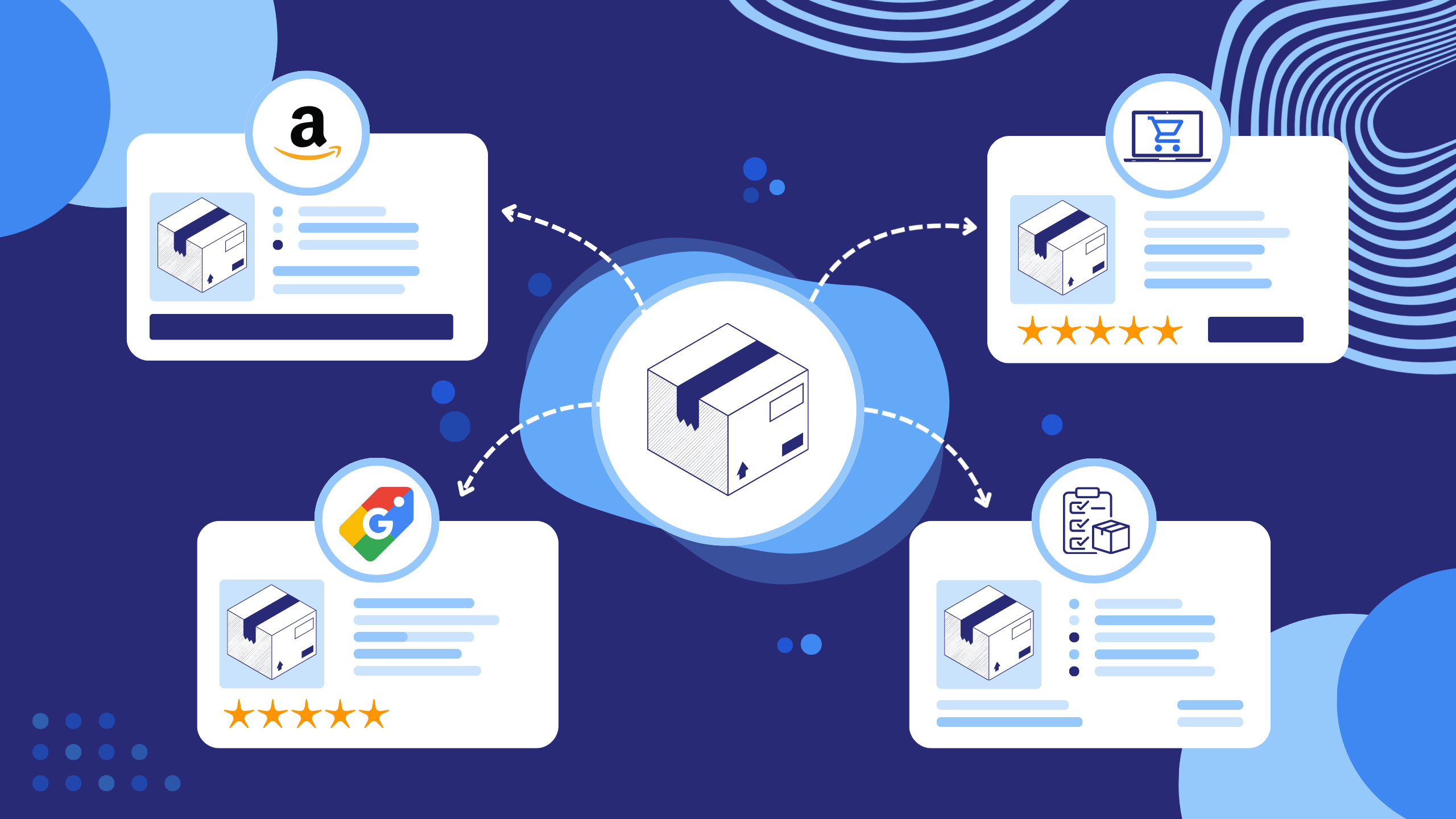
Every platform has its own content logic, meaning different formats, different rules, different buyer behavior. What works on your webshop will not necessarily work on a marketplace, and what converts on Amazon might get rejected by Google Shopping.
Marketplaces: structured, searchable, strict
Marketplaces like Amazon and Bol.com are attribute-driven environments. Shoppers filter, compare, and decide based on specs, bullet points, and keywords.
Amazon in particular enforces tight constraints: 2,000 plain-text characters for descriptions, 500 per bullet point, no HTML. Brands with A+ Content can add rich media, but that content is largely not indexed for search, so you still need optimized titles, bullet points, and backend keywords for discoverability.
A lifestyle paragraph won’t help you rank here. Structured, complete, keyword-aware content will.
Your own webshop: full creative control
Your webshop, or your retail partner’s, is where the narrative lives. No character limits, no content restrictions. This is the space for brand storytelling, rich media, comparison tools, and detailed descriptions that build trust and reduce returns.
Google Shopping: format-first, data-driven
Google Merchant Center requires clean, structured product feeds. Wrong GTINs, truncated titles, or missing attributes mean your products do not show up or get disapproved entirely. Content here is not about persuasion. It is about precision and channel-specific completeness scores.
B2B portals and distributor catalogs: technical depth
Wholesale platforms, distributor feeds, and B2B portals need a different kind of content altogether: certifications, compliance data, logistics specs, minimum order quantities, and technical attributes that a consumer-facing description would never include.
If you are a brand supplying product data to distributors or retailers, this is where your data quality directly affects how well your products sell downstream, even if you never touch the end customer.
How Generic Product Descriptions Hurt Conversion Rates
The most common shortcut is writing one description and pushing it across every platform. It is fast, but the cost is real.
The numbers tell the story
Research by Google Cloud and Harris Poll, surveying over 13,500 consumers across 14 countries, found that more than half of shoppers will abandon their cart and leave a site entirely when they cannot find the right product information. And when they do leave, 82% say they avoid that site in the future.
Global average e-commerce conversion rates sit around 1.9–2%. Top-performing stores reach 3.2% or higher. The gap often comes down to product page quality with the right information, in the right format, for the right context.
On top of that, Baymard Institute research found that insufficient or misleading product details account for 20% of all cart abandonments. That problem compounds when the same incomplete description is copied across channels with different buyer expectations.
Where the damage shows up
- Lower conversion rates – content that does not match the buyer’s context or the platform’s logic underperforms, whether it is your own webshop or a retailer listing your products
- Marketplace suppression – platforms can suppress listings that do not meet their content requirements, costing you visibility regardless of how good the product is
- Higher return rates – when customers cannot get the right information for their purchase context, they buy wrong and send it back. For brands, that cost often flows back through the supply chain
- Downstream data quality issues – if you are a brand or distributor supplying product data to partners, generic content means your retailers and resellers inherit the same gaps across every storefront that uses your feed.
How to Create Channel-Specific Product Content
Adapting content per channel does not mean rewriting everything from scratch. It means starting from a single, complete product record and shaping the output for each destination.
Adjust tone and length
A marketplace bullet point list vs. a webshop product story means the same product, different framing. A brand selling directly might emphasize lifestyle and identity. The same product on a distributor’s B2B portal needs specs and order details.
Prioritize the right attributes
Lead with dimensions, certifications, and minimum order quantities for wholesale and distributor channels. Lead with lifestyle benefits and reviews for your own webshop. Retailers need category-specific attributes for filtering. Marketplaces need keyword-optimized copy for search.
Meet technical requirements
Character limits, required fields, image ratios, and feed structures all vary per channel. Your content needs to comply automatically and preferably not through manual reformatting every time you publish.
Localize where needed
If you sell across markets, channel-specific also means language- and region-specific including the right units, compliance labels, and cultural fit and is one of the most overlooked parts of channel specific content.
Scaling Channel-Specific Content Without the Overhead
For a handful of products, a spreadsheet works. But once your catalog grows over hundreds or thousands of SKUs across multiple marketplaces, webshops, and feeds – manual adaptation breaks down fast.
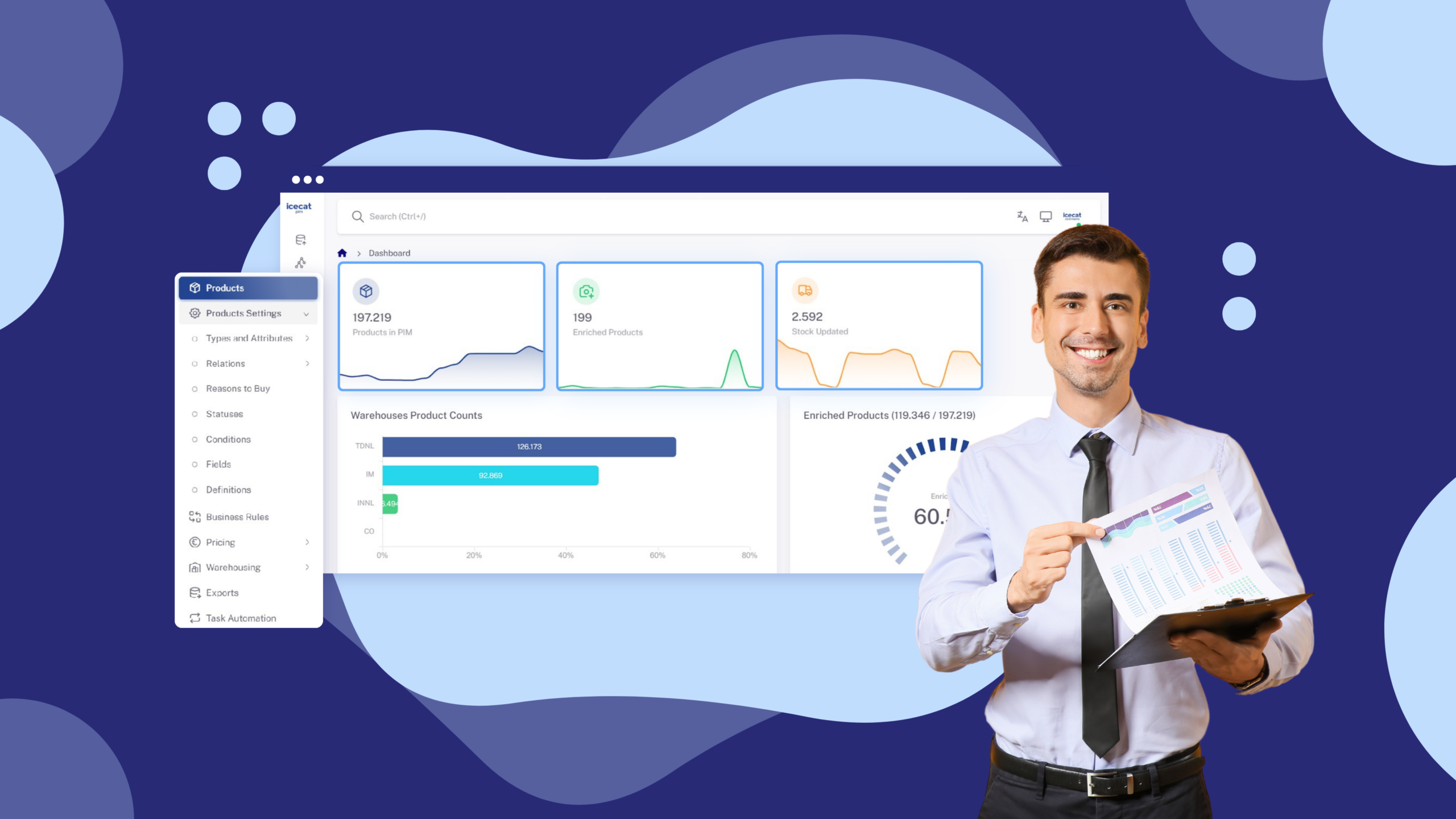
That is where a companies switch to more automated and specialized solutions like a PIM (Product Information Management). A well-set-up PIM lets you maintain one golden product record and configure channel-specific outputs from it with different descriptions, attribute sets, media, and formatting rules per destination.
Solutions like Icecat PIM are built specifically for this, to manage channel-tailored content at scale without multiplying your workload.
The Takeaway
Your customers do not shop the same way on every platform so your product content should not look the same either.
Whether you are a brand protecting your products story across retail partners, a retailer optimizing listings for your own channels, or a distributor ensuring clean data flows downstream – channel-specific content is how you stay competitive, compliant, and conversion-ready across every touchpoint.
Start by auditing where your product content lives today. Is it actually optimized for this channel or is it just… there?

Elisabeth is part of the MarCom team at Icecat Commerce, where she combines technical product knowledge with real-world client situations. Having worked directly with clients on their product data challenges, she writes from the perspective of what actually matters in day-to-day e-commerce operations.