The line between how people shop at home and how they buy at work has effectively disappeared. The same person who tracks a weekend parcel also places orders for their company. They expect both experiences to feel the same. In 2026, order management in e-commerce is where those expectations are either met or missed – for B2C shoppers and B2B buyers alike.
What used to be a back-office function is now part of the buying experience. Once an order is placed, the work does not stop. It needs to reach the right supplier, stock has to be confirmed, updates have to go out, and the customer expects to know what’s happening until the order arrives. Three market shifts have made it a competitive differentiator in 2026.
Consumer-grade expectations reshape order management
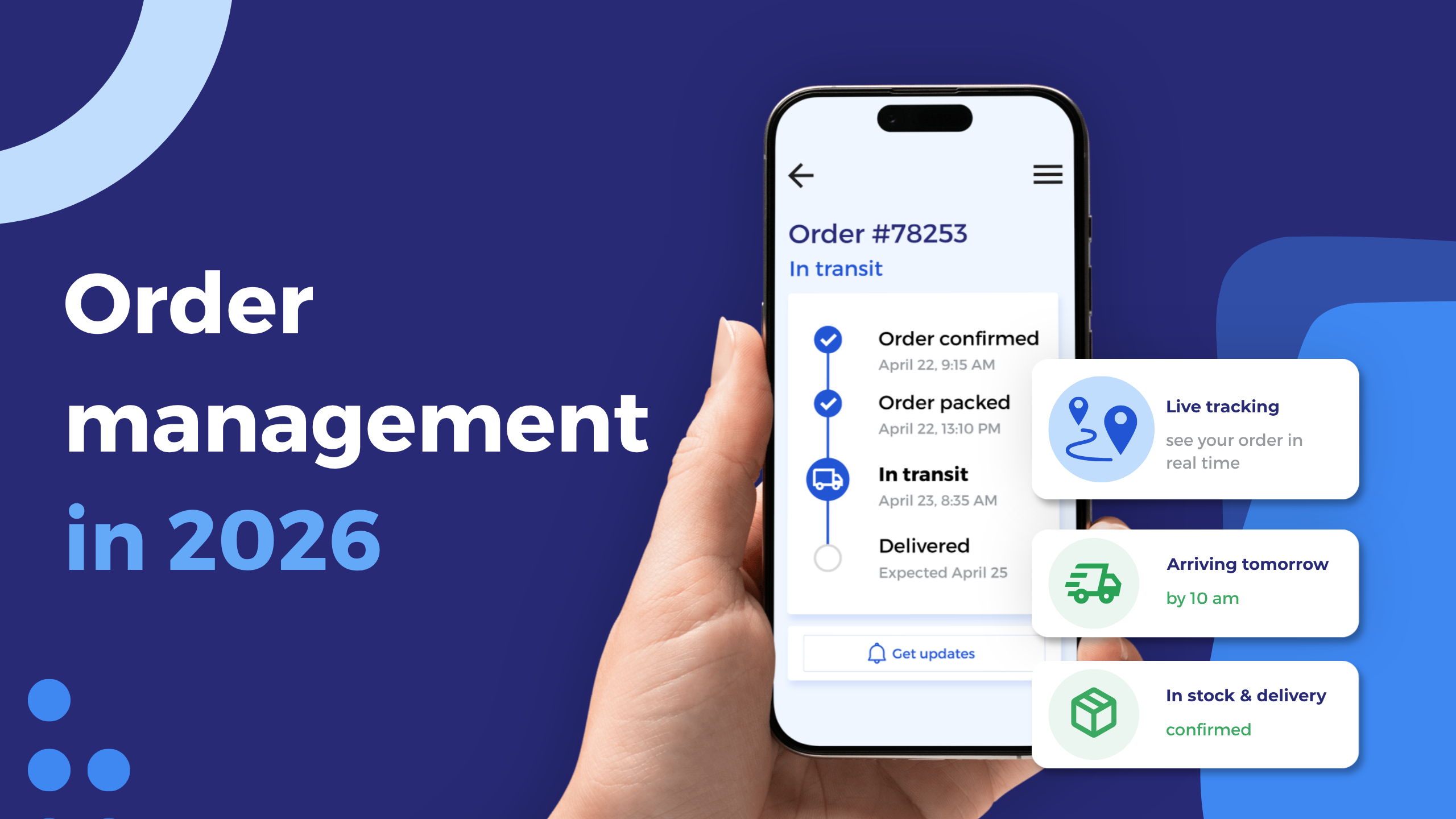
For consumers, the order isn’t finished at checkout. It’s judged all the way to the doorstep. Bringg’s 2026 survey found that 73% of shoppers consider on-time delivery a key part of a good delivery experience, with real-time tracking not far behind. Those aren’t just consumer expectations anymore. Millennials and Gen Z now account for 71% of B2B buyers, so it’s hardly surprising that the same expectations are showing up in business purchasing too. Real-time order status, self-service tracking, and transparent pricing have become the baseline for both audiences. They are no longer premium features.
Why buyers expect end-to-end order visibility
When something goes wrong after an order is placed, buyers don’t separate you from your suppliers. Sendcloud’s survey of 8,000 shoppers found that 77% experienced an issue with their last delivery, while 42% blamed the retailer even when the carrier was responsible. The flip side is the opportunity. The same research shows shoppers remain more loyal to retailers that handle problems transparently. In B2B, that accountability extends across an entire buying group. The average purchase now involves 13 people inside the buyer’s organisation and another 9 outside it. Any of them can ask where the order stands. The answer should come from your order management system, not a phone call.
When that visibility is missing, support tickets increase, buyers lose confidence, and internal teams spend more time answering status requests than processing new orders.
How AI changes buying – but not order fulfillment
Buyers increasingly arrive having already done the research. Sendcloud found that 43% of European shoppers have used an AI tool to decide where to buy, with many comparing delivery options before making a purchase. According to Gartner’s B2B Buyer Survey 45% of buyers used AI during a recent purchase, while 67% prefer a rep-free buying experience. While AI increasingly handles discovery and comparison, it can’t fix a slow, manual back end. A faster front door simply makes inefficient order processing more obvious.
Why modern order management drives customer loyalty
These changing expectations arrive at a time when digital commerce continues to expand. The market context makes the stakes clear. US B2B sales reached $15.1 trillion in 2025, growing by just 0.4%, while digital sales continued to expand at double-digit rates. More businesses are moving purchasing online, replacing processes that were once handled through sales reps, long email chains, or even faxed orders. Businesses that combine a smooth buying experience with reliable fulfillment are far more likely to earn repeat business than those that treat order management as a back-office task. For many buyers, loyalty is increasingly decided after checkout.
Order management is now a competitive advantage
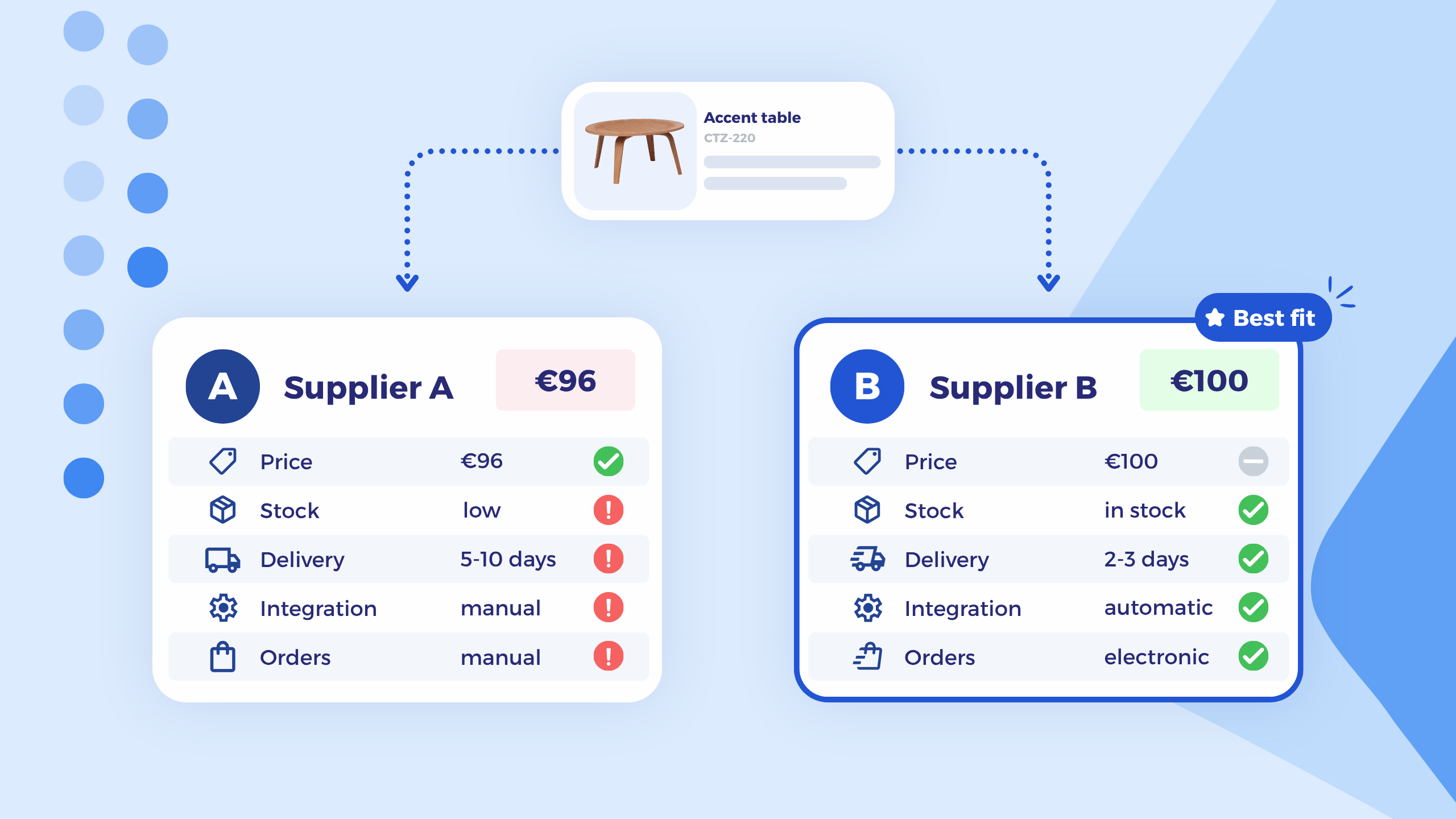
Today, good order management looks remarkably similar whether you’re shipping a consumer parcel or fulfilling a wholesale purchase order. It means automated supplier communication, real-time inventory visibility, and proactive status updates measured in hours rather than days. Rather than jumping between spreadsheets, inboxes, and supplier emails, the whole process becomes connected and much easier to follow. It also frees teams to focus on exceptions instead of routine transactions. The businesses that will win the next phase of digital commerce are the ones whose order operations can keep pace with their storefront.
In short, modern order management is no longer just about processing orders. Buyers expect real-time visibility, automated communication, accurate inventory information, and proactive updates throughout the buying journey. Those expectations are becoming the standard – not only in B2C, but increasingly in B2B as well.
If your operation still runs orders through inboxes and spreadsheets, the real question is whether you’ve already outgrown that setup.
Interested in modernizing your order management?

Elisabeth is part of the MarCom team at Icecat Commerce, where she combines technical product knowledge with real-world client situations. Having worked directly with clients on their product data challenges, she writes from the perspective of what actually matters in day-to-day e-commerce operations.